Technology Behind Nuclear Imaging
- Home
- Details


The basis of nuclear imaging are radioactive tracers. These radioactive tracers (radioisotopes bonded with chemical compounds) are, in most cases, injected into the bloodstream through a vein or given by mouth. These tracers aren’t dyes or medicines, they are in fact chemical compounds in which one or more atoms have been replaced by a radionuclide which allows it to release miniscule amounts of radioactive decay.
Specially designed cameras then allow doctors to track the path of these radioactive tracers and the images are digitally generated on a computer which then get transferred to a nuclear medicine physician, who interprets the images to make a diagnosis.
Explanatory Video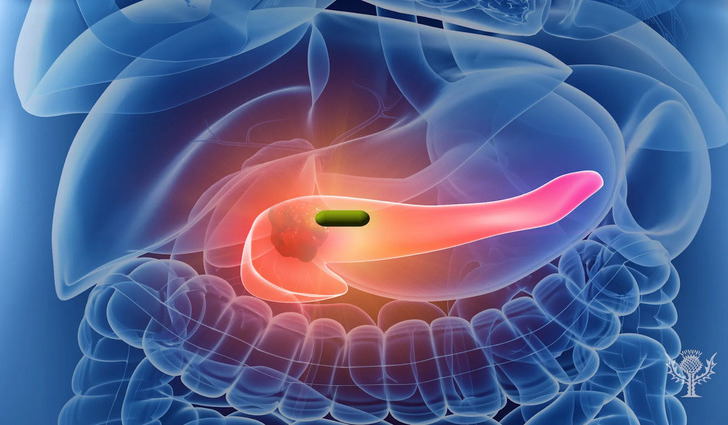
.jpeg)
Despite radioactive tracers being the basis behind nuclear imaging, modalities are what allow the tracers to make a real world impact.
Single Photon Emission Computed Tomography or SPECT and Positron Emission Tomography or PET scans are the two most common imaging modalities in nuclear medicine. These two innovative modalities will be the primary technologies we will be understanding nuclear imaging through.
Nuclear imaging is used primarily to diagnose or treat illnesses. Conditions diagnosed by nuclear medicine imaging include:
Nuclear medicine imaging can also be used to treat conditions or to evaluate how treatment is working. One example of this is radioimmunotherapy, which combines radiation and immunotherapy to deliver radiation precisely to a targeted area.

The testimonials of past patients who have had nuclear medicine imaging/diagnosis performed upon them and their honest opinions & experience of utilizing this technology in their medical life.

“The best treatment I have had in a long time. I was scared and nervous but it was completely painless and the needle for the tracer felt just like a pinch. Apart from slight dizziness after the scan everything was perfect!”

“After feeling some irritation on my chest I had gone in for a check up to figure out what was wrong, nothing came up on the mammography however after getting a second opinion and performing a emission mammography (PEM) using radioactive tracers they spotted early signs of breast cancer. This might have been the difference maker in my battle against cancer.”