Chemistry Behind SPECT Scans
- Home
- Chemistry Understood
- Chemistry Behind PET Scans


.jpeg)
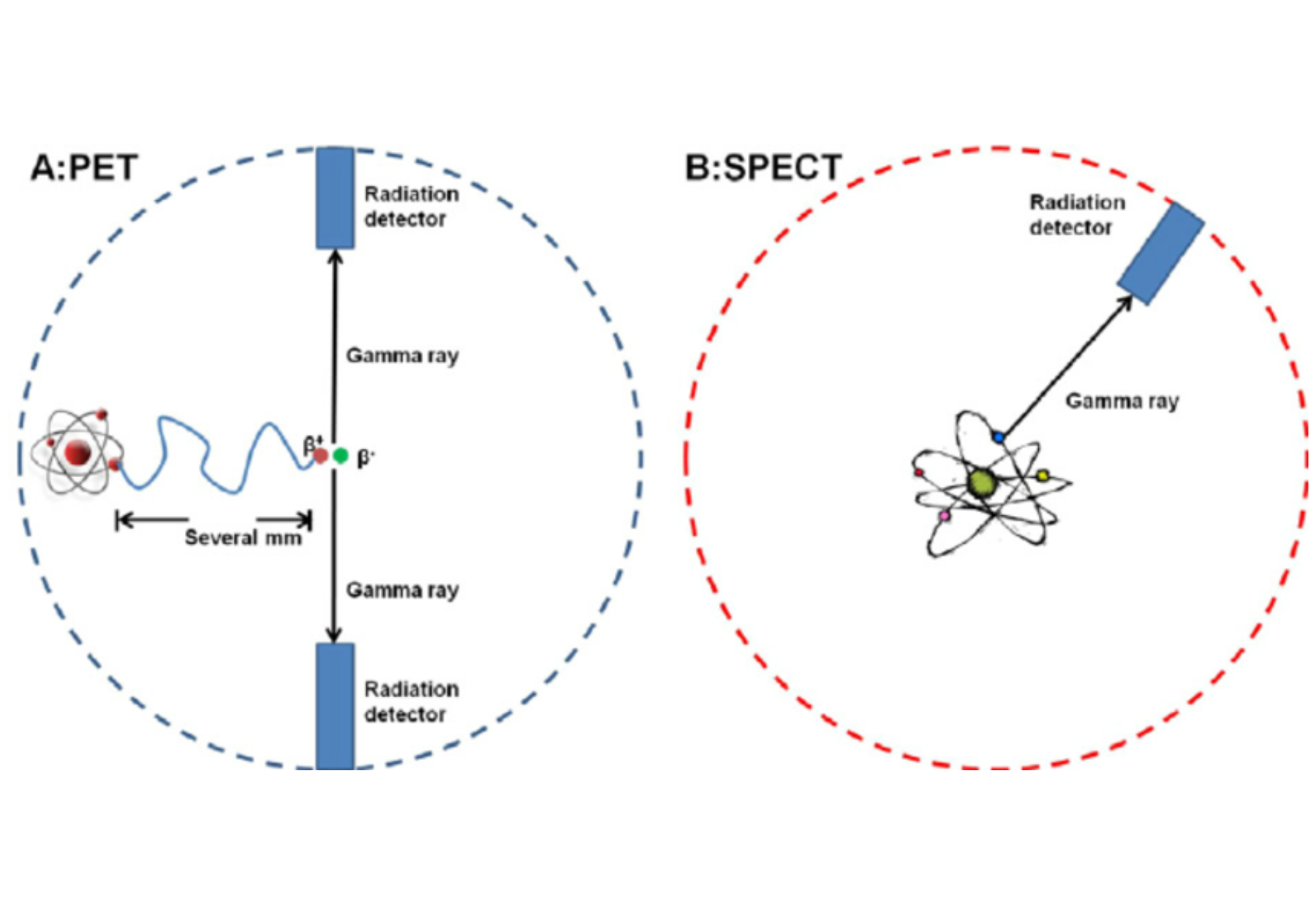
SPECT is a nuclear imaging scan that integrates computed tomography (CT) and a radioactive tracer. The tracer is what allows doctors to see how blood flows to tissues and organs, which I explained in great detail on the “Chemistry Behind PET Scans” page. However, the radioisotopes used in SPECT scans are typically iodine-123, technetium-99m, xenon-133, thallium-201, and fluorine-18. These radioactive forms of natural elements will pass through your body and be detected by the scanner the same way they do in PET scans.
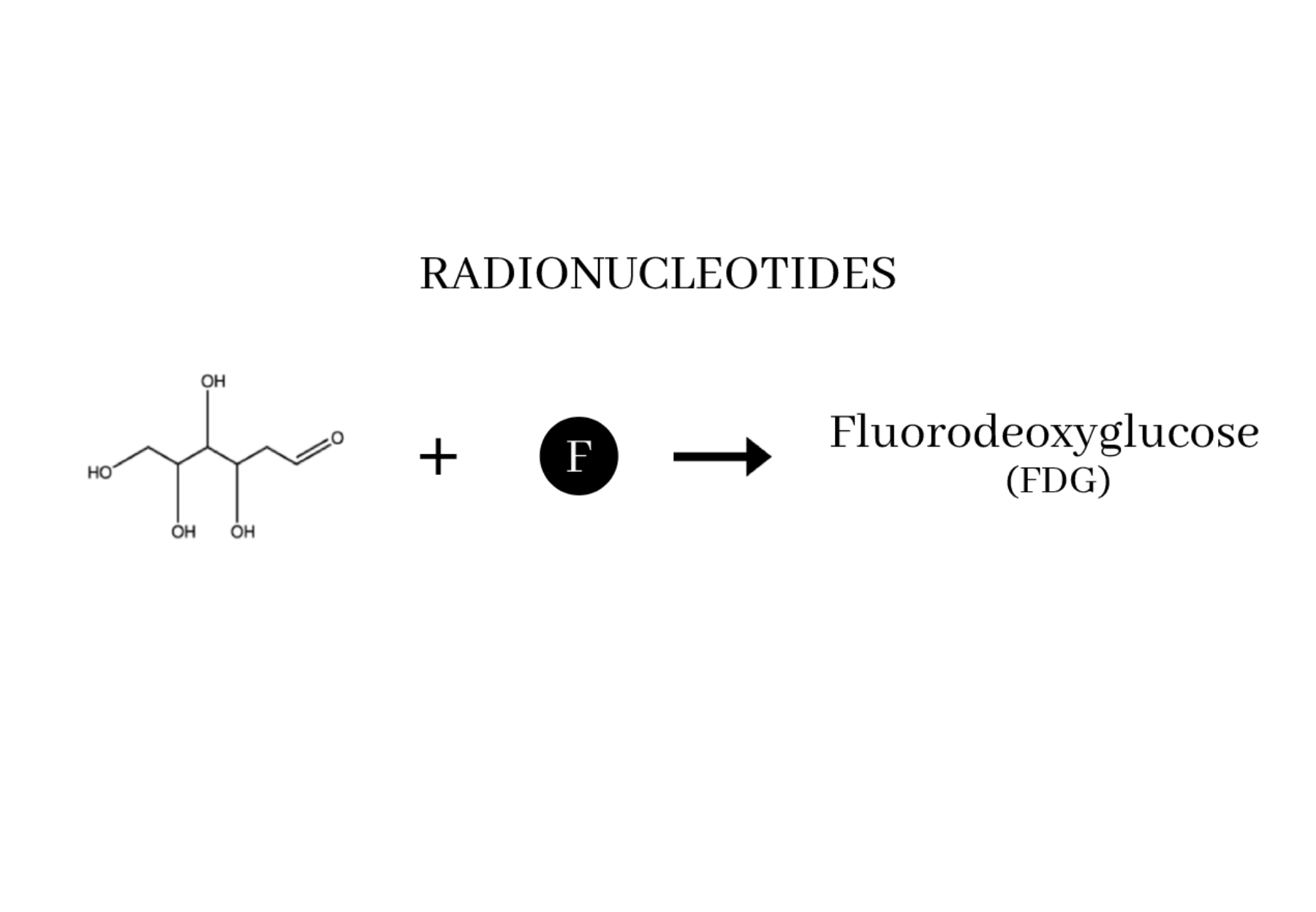
Various drugs and other chemicals can be labeled with these isotopes to form the tracers. The type of tracer used depends on what your doctor wants to measure. For example, if your doctor is looking at a tumor, he or she might use radiolabeled glucose (FDG) and watch how it is metabolized by the tumor.
The test differs from a PET scan in that the tracer stays in your blood stream rather than being absorbed by surrounding tissues, thereby limiting the images to areas where blood flows. SPECT scans are also cheaper and more readily available than higher resolution PET scans.
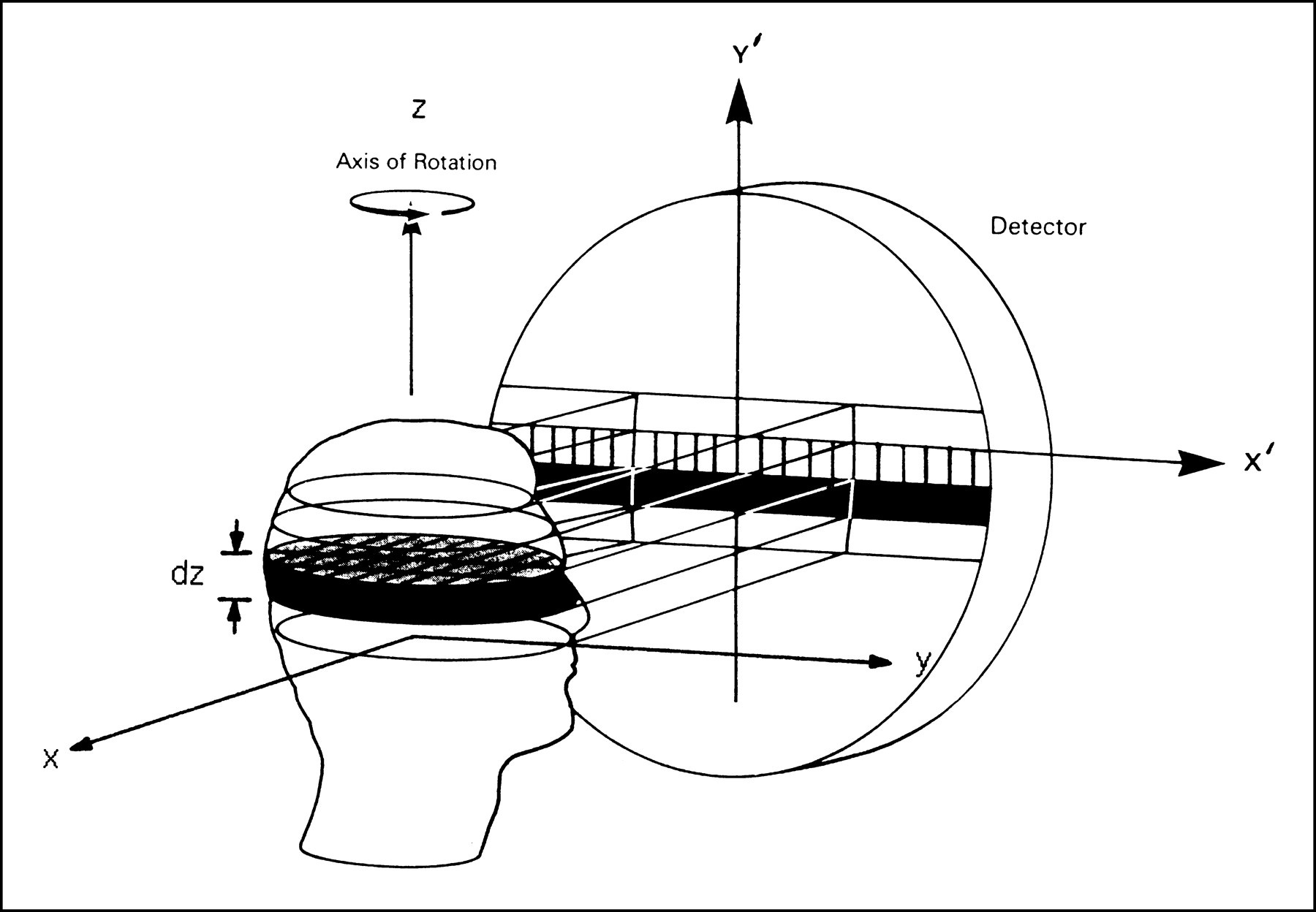
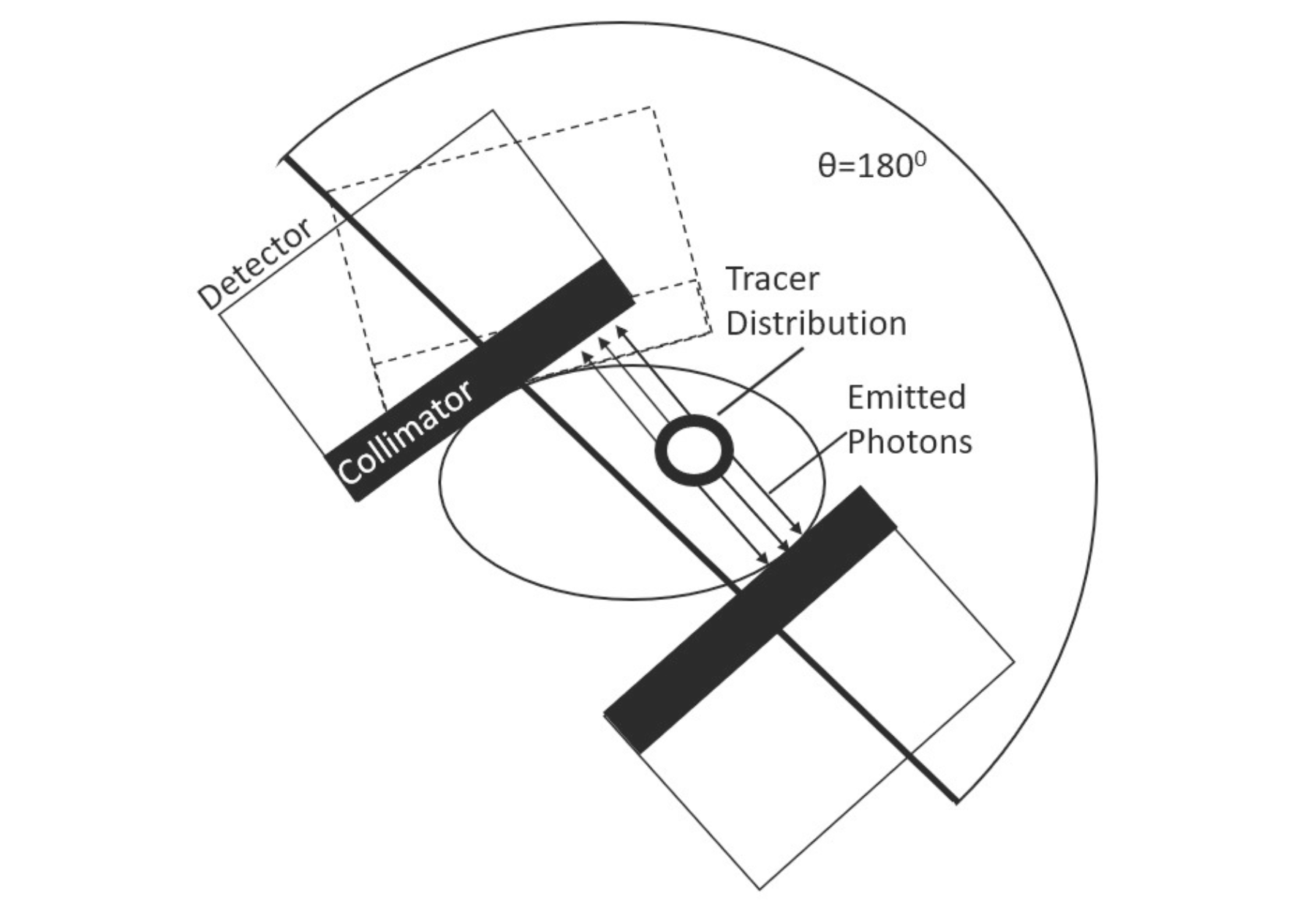
The specialized computer during a SPECT scan collects the information emitted by the gamma rays and displays it on the CT cross-sections. These cross-sections can be added back together to form a 3D image of your brain. These 3D images created using nuclear imaging technologies in a SPECT scanner are primarily used to view how blood flows through arteries and veins in the brain as it can detect reduced blood flow to injured sites more sensitively in comparison to other imaging methods.
Instead of using photons (PET scans), gamma rays within tracers are directly administered through an IV, which then a gamma camera can be used to render functional images of the brain. This application of chemistry and atomic structure allows doctors to specifically diagnose dementia, perform evaluations of medically uncontrolled seizures pre surgery, and locate clogged blood vessels.